


Fitzinger's tree iguana
A species of Snow swifts Scientific name : Liolaemus fitzingerii Genus : Snow swifts
Fitzinger's tree iguana, A species of Snow swifts
Scientific name: Liolaemus fitzingerii
Genus: Snow swifts
Content
Description General Info

Description

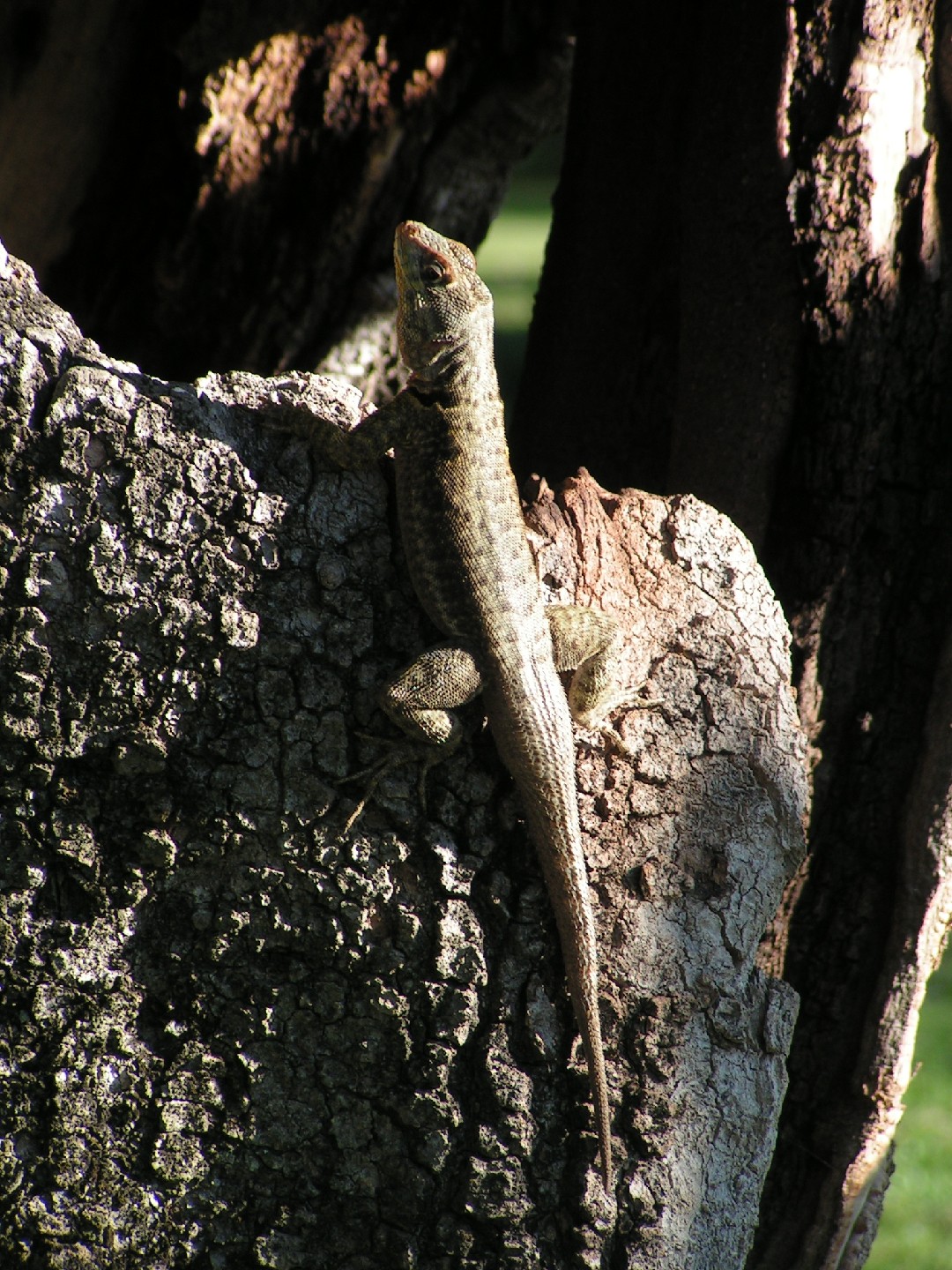
The fitzinger's tree iguana demonstrates a fascinating adaptation for survival in cold climates, being one of the few lizard species capable of living at high elevations, sometimes above 3,000 meters. It further showcases behavioral peculiarities such as extended periods of inactivity during colder months, mimicking hibernation. This allows fitzinger's tree iguana to effectively utilize minimal resources, a key survival strategy in harsh alpine environments.

General Info
Lifespan
5-8 years
Diet
Fitzinger's tree iguana primarily subsists on a diet comprising of insects and arachnids, strategically targeting these arthropods in their natural habitats. This lizard's predatory behavior is highly guided by opportunism and seasonal food availability.
Appearance
Fitzinger's tree iguana is a small, slender lizard with rough, pebbled skin. Males exhibit vivid green and blue tones across the body, with a striking black band running from the eye to the base of the tail. Females are generally of duller greyish-brown colors. Key features include a tapered tail, small pointed scales, and long, thin limbs. Juvenile individuals resemble the adult females in coloration.
Behavior
Fitzinger's tree iguana exhibits daily basking for thermoregulation purposes. This species is generally solitary, interacting only during the breeding season. Males display territorial behavior, defending their area from intruders. Native to arid regions, fitzinger's tree iguana has adapted to sparse vegetation, resulting in its unique crepuscular foraging activity.
Population
Stable


Scientific Classification
Phylum
Chordates Class
Reptiles Order
Lizards and snakes Family
Liolaeminae Genus
Snow swifts Species
Fitzinger's tree iguana 
AI animal expert in your pocket



Scan QR code to download


