


Cumberland Island Horse
A species of Equus caballus Scientific name : Cumberland Island Horse Species : Equus caballus
Cumberland Island Horse, A species of Equus caballus
Scientific name: Cumberland Island Horse
Species: Equus caballus
Content
Description General Info
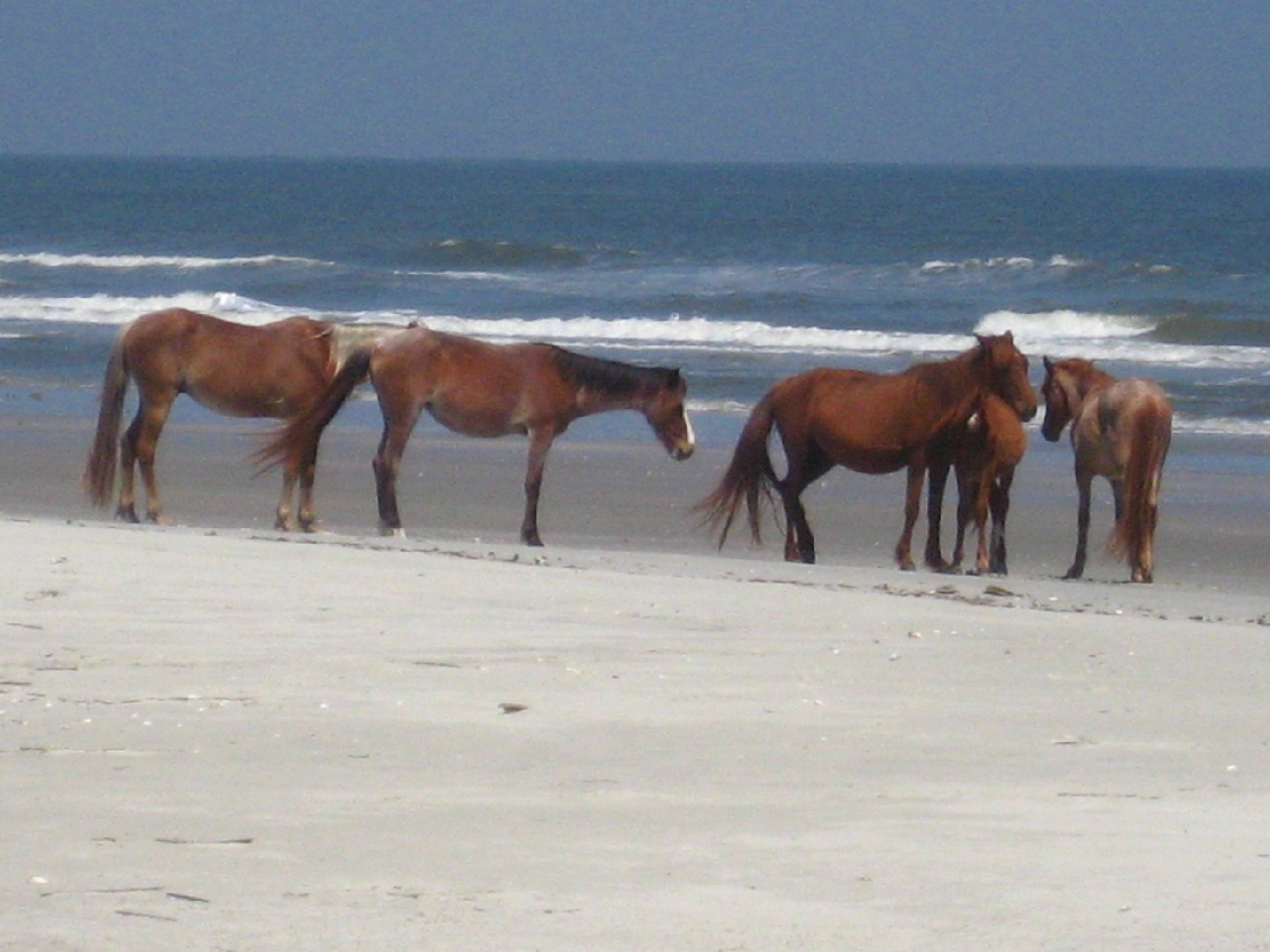

Description

Known for their resilience and adaptability, the cumberland Island Horse has thrived in semi-feral conditions on Cumberland Island, USA for centuries. As descendants of the Spanish Barbs brought by early explorers, these horses exhibit superior survival skills with little human intervention. Despite the tough living conditions, they exhibit a calm, friendly nature, making them intriguing subjects for ecologists and equine researchers.
Care Level
Moderate

General Info
Origin
United States
Lifespan
20-25 years
Characteristic:UsageDescription
Tourism, conservation
Temperament
Hardy, independent, adaptable, docile, intelligent
Diet
Spartina alterniflora (a species of deciduous grass found in salt marshes, interdune meadows, and dunes)
AdultSize
13-15 hands
Appearance
Standing typically between 13-15 hands tall, cumberland Island Horse exhibits a stocky and resilient physique. Varied in coat color, markings, mane and tail features, dominant hues can range from chestnut to bay, even black or grullo. Unique facial blazes or leg socks may be present, adding character to its appearance. The combination of its thick, flowing mane and tail and smaller, sturdy stature speak to its survivalist nature. With age, cumberland Island Horse's coat may fade, while eye color fluctuations from brown to blue, or amber, signal the maturity progression. Such distinctive traits make the cumberland Island Horse an arresting sight.
Behavior
Cumberland Island Horse exhibit semi-wild behavior patterns due to their feral origins, showcasing qualities of resilience, adaptation, and independence. They possess a remarkably calm and quiet demeanor, contrasting with their typically alert and cautious nature observed in their natural habitat. These equines show a variable response to human intervention, largely dictated by individual experiences and environmental influences.


Scientific Classification
Phylum
Chordates Class
Mammals Order
Odd-toed hoofed mammals Family
Horse family Genus
Asses and zebras Species
Equus caballus Breed
Cumberland Island Horse 
AI animal expert in your pocket



Scan QR code to download


