


Anglo-Kabarda
A species of Equus caballus Scientific name : Anglo-Kabarda Species : Equus caballus
Anglo-Kabarda, A species of Equus caballus
Scientific name: Anglo-Kabarda
Species: Equus caballus
Content
Description General Info
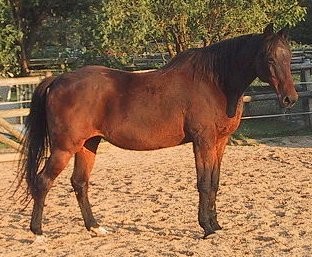 Photo By Hü , used under CC-BY-SA-3.0 /Cropped and compressed from original
Description

Originating from the intersection of Thoroughbred and Kabarda bloodlines, anglo-Kabarda showcases a symbiosis of speed and hardiness. Noteworthy for its incredible endurance, this breed often dominates in long-distance racing. Moreover, the surprising adaptability of anglo-Kabarda allows it to thrive in diverse climates, from mountainous landscapes to lowland pastures, marking it as a truly versatile equine exemplar.
Care Level
Moderate

General Info
Origin
Russia
Lifespan
20-25 years
Characteristic:UsageDescription
Endurance riding, leisure riding, jumping, dressage, driving
Temperament
Steady, tenacious, hard-working, smart, adaptable
Diet
Hay, grass, grains
AdultSize
14-16 hands
Appearance
Presenting a sturdy and hearty physique, anglo-Kabarda typically stands approximately 14 to 15 hands in height. This equid boasts a robust frame, with a well-muscled, wide-chested body and stout legs. Predominantly manifesting in bay, black, or gray, the horse's dense coat can reveal exquisite mottled spots or flecks. No distinctive markings such as blazes or socks are associated with this breed. It possesses a thick mane and tail, generally mirroring the dominant coat color. The eyes are typically brown, subtly aging into a lighter hue with maturity. A notable physical characteristic is the strong, resilient hooves, perfectly adapted to rough terrains.
Behavior
Anglo-Kabarda demonstrates a balanced, courageous, and energetic demeanor, typically observed within endurance breeds. This horse is known to be cooperative, trainable, and adaptive to changing situations. With its a high sociability quotient, anglo-Kabarda relishes interaction, particularly during herd activities. In response to stimuli, they tend to display a calm approach, with rare displays of stress or anxiety. However, excessive restlessness may indicate discomfort.


Scientific Classification
Phylum
Chordates Class
Mammals Order
Odd-toed hoofed mammals Family
Horse family Genus
Asses and zebras Species
Equus caballus Breed
Anglo-Kabarda 
AI animal expert in your pocket



Scan QR code to download


